MicroWeldPro brings laser, pulse arc / micro TIG, resistance spot and laser marking under one supplier, so the recommendation follows the joint, the material and the volume, not the shop's inventory or a single-process bias.
The right micro welder answers a specific joint, not a spec sheet. Pick the process first — laser for low-distortion seams, pulse arc for filler, resistance for stacked tabs, marking for traceability — then the machine catalogue narrows itself around the material and the volume.
Reach for laser on thin walls, fine seams and heat-sensitive assemblies where distortion has to stay tight. Low heat input needs no filler. Fits sealed housings, battery caps and precision spots where post-weld cleanup time is the bottleneck.
Explore laser welders → Pulse ArcThe pick when a joint needs filler wire or has to bridge a gap. Fine tungsten arc pulses tack small assemblies, add material and repair worn features. Common on dental frameworks, jewelry restoration, mold rebuild and prototype builds.
Explore pulse arc → ResistanceDC/CD and AC systems deliver repeatable spots on tabs, terminals and wires with high throughput on stacked-thickness sheet and minimal parameter drift over long runs. The workhorse for battery packs, thermocouples and sensor lead assembly.
Explore resistance welders → MarkingFiber lasers etch serials, logos, QR and datamatrix codes for traceability on the same production line that welds them. UV variants handle plastics and heat-sensitive coatings. Sits alongside the welders under one supplier account.
Explore laser marking →Small, high-value parts across regulated and demanding sectors — the ten places these machines ship most often, from single-machine dental labs to full-line battery pack producers.
Framework repair, orthodontic wire tacking and precision post soldering on cobalt-chrome and titanium.
See dental lab welds →Tab, terminal and busbar joints on 18650, 21700 and pouch cells across pack sizes.
See battery welding →Sealed housings, catheters and implantable assemblies needing clean, low-heat welds and hermetic seams.
See medical device welds →Connectors, thermocouple junctions and semiconductor sensor leads that need tight repeatability across shifts.
See electronics joining →Sensor cans, small structural fittings and repair welds under airworthiness scrutiny.
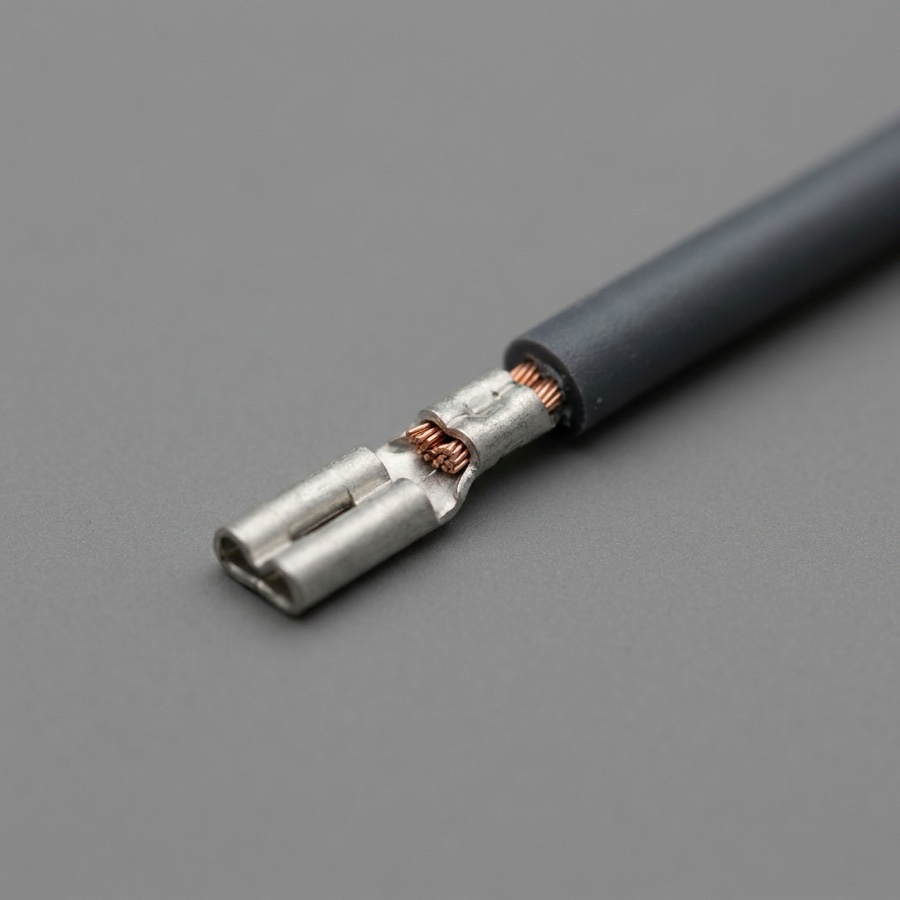
See aerospace applications →Thermocouple probes, harness terminations and under-hood sensor housings that see thermal cycling.
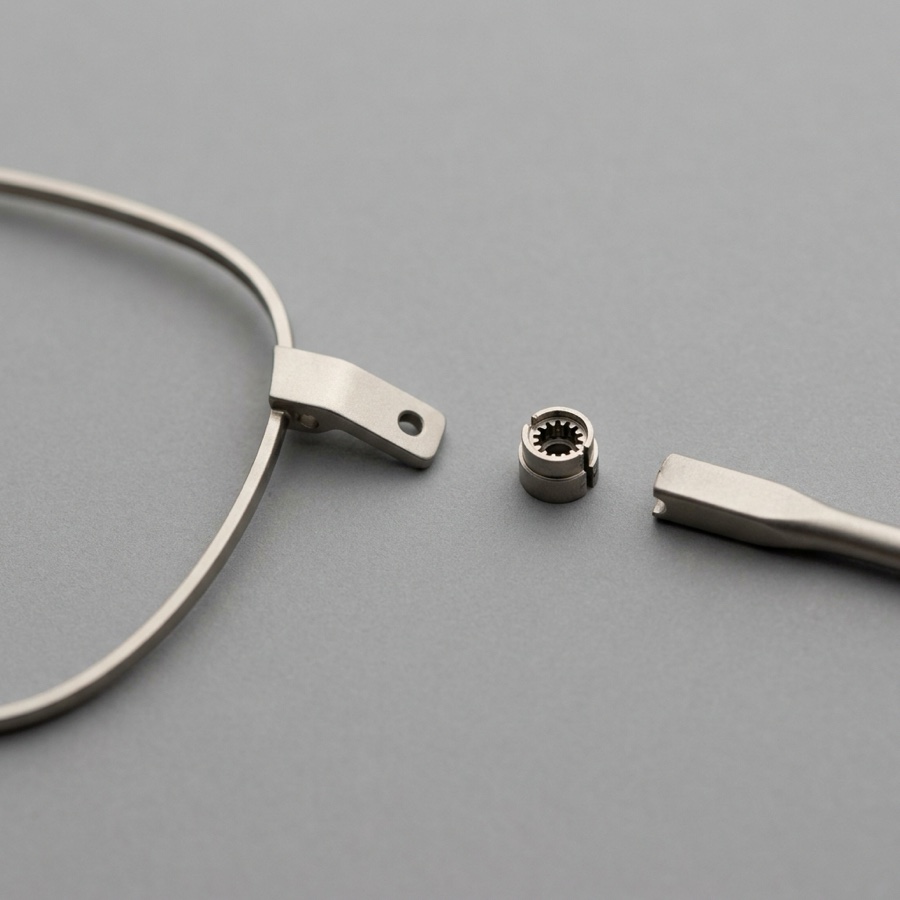
See automotive welds →Hinge welds on titanium and stainless frames without discoloring the finished surface.
See eyewear welds →Pave setting repairs, prong tips and mixed-metal solder joints on finished pieces.
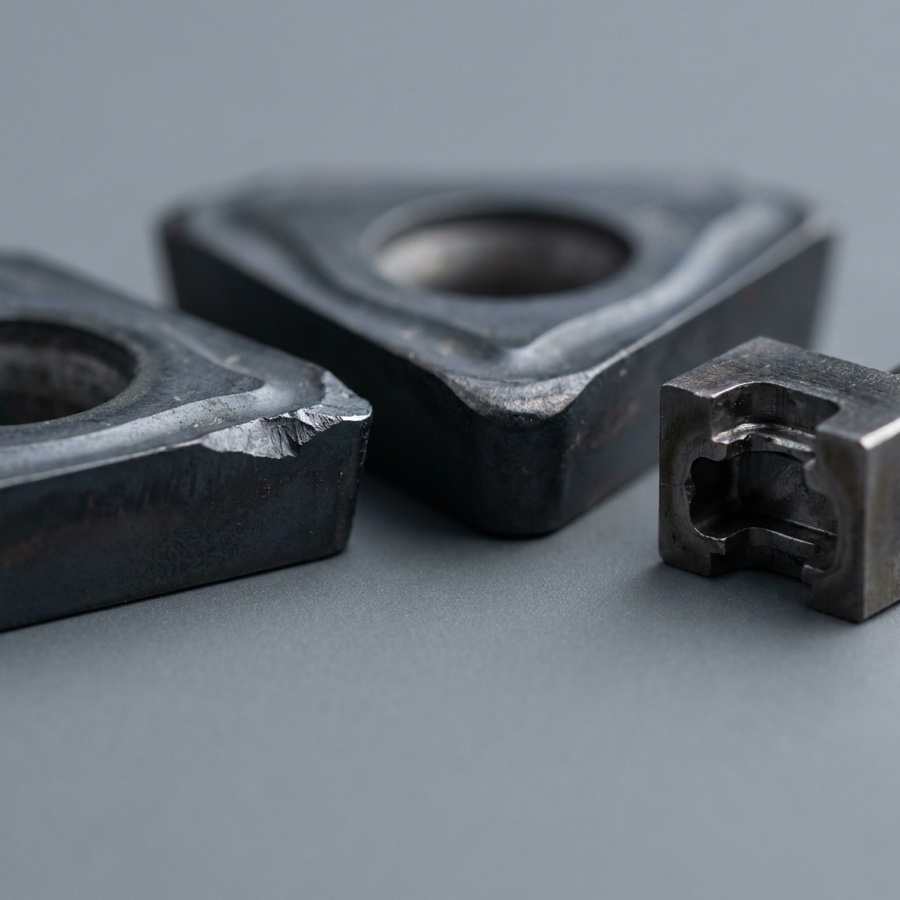
See jewelry welds →Wire buildup on tool steel details and edge restoration under a microscope for injection tooling.
See mold and die welds →Wire-form assemblies, sensor manufacture and short-run precision joining across sectors.
See general industrial →Repeatable joint patterns solved across processes — each with its own decision tree, fixture setup and parameter starting point below.
Enamel-coated magnet wire terminated to lugs, terminals and commutator hooks without insulation stripping.
See coil winding welds →K-type, J-type and custom junction fusing with balled tips ready for probe assembly.
See thermocouple welding →Fine wire and flat ribbon interconnects on sensor pads, chip carriers and battery flex.
See wire and ribbon bonding →Two short paths land you at the right family before you talk to sales. The written walkthrough steps through material, thickness and joint geometry with the trade-offs called out at each fork — the honest kind, including where laser stops making sense and pulse arc takes over. The selector tool asks four quick questions — material, joint type, weekly volume and tolerance target — then returns a shortlist ranked against your inputs. Both feed the same free sample evaluation, so nothing you type is wasted when the physical part shows up on the bench.
Send the actual part or a clear photograph with material, thickness and joint type noted. The MicroWeldPro engineers test-weld it across the processes that plausibly fit, log the parameters, capture a cross-section photo and return the whole record with a written recommendation. You see a real seam and a real setting sheet before you commit to a machine, not a rendered promise or a stock brochure image. No fee, no obligation, no locked-in follow-up — sample parts ship back with the report, and the parameters transfer straight into the quote if you order the recommended machine.
Send us the part; the engineers test-weld it, log the parameters and return them with a cross-section photo before you commit to a machine.
Laser, pulse arc / micro TIG, resistance spot and laser marking through one account, one shipment and one support engineer.
The recommendation follows the joint, the material and the volume — not what happens to be on the shelf that quarter or the single process a shop is optimized for.
Scoped private-label runs for dealers who need the equipment under their own brand, with badge, color scheme and manual customization.
If evaluation shows a different process fits, even one we don't sell, the report says so. Losing the wrong order beats shipping the wrong machine.
A support engineer stays with the account until your part parameters are dialed in on your operator's machine, not just the demo one.
Lenses, protective glass, electrodes and nozzles available through the same supply chain that ships the machine.
Two commercial paths that sit alongside direct machine sales.
For brand owners who want the machine under their own name and specification. Scope covers cabinet branding, badge and paperwork rebranding, and selective mechanical or software customization on a per-order basis.
Explore OEM & private label → Dealer programFor distributors who cover a defined territory and want factory-direct pricing, sample-evaluation support and a technical channel for parameter questions. Dealer applications are reviewed by region and process line.
Apply for the dealer program →Field references written by the engineers who set up the parameters, not marketing.
The four processes side by side, with when-to-use notes and material fit against each.
Compare the processes →A step-by-step decision path that walks from part photo to a shortlist of two or three machines.
Walk the decision →Electrode class, tip shape and force pairings for the common resistance jobs.
Pick an electrode →The loop is simple: send the part or a photograph with material and thickness noted, the engineers test-weld across the processes that fit and return parameters plus a recommendation. Faster than reading four product pages, and it grounds the quote in your actual joint rather than a generic spec bracket. The evaluation page carries the full brief so the engineer picks it up complete — no inquiry form on the homepage.